 Admin
Admin
When you hear the phrase kitchen island with stove top, you instantly picture a sleek, central hub where cooking, socializing, and storage converge. This concept has moved from high‑end designer kitchens to attainable remodels for everyday homeowners, thanks to advances in ventilation technology and modular cabinetry. By placing the stove top directly on the island, you free up wall space, improve workflow, and create a natural gathering point that invites both family meals and entertaining.
Beyond aesthetics, the island stove top reshapes the classic kitchen triangle—sink, refrigerator, and stove—into a more fluid layout that reduces foot traffic and enhances efficiency. Whether you’re a seasoned home chef or a weekend grill enthusiast, understanding the design fundamentals, safety protocols, and material choices is essential for a successful installation. Below, we dive deep into every aspect you need to consider, from choosing the right ventilation system to selecting countertop materials that can withstand high heat.
Why a Stove Top on Your Island Is a Game Changer
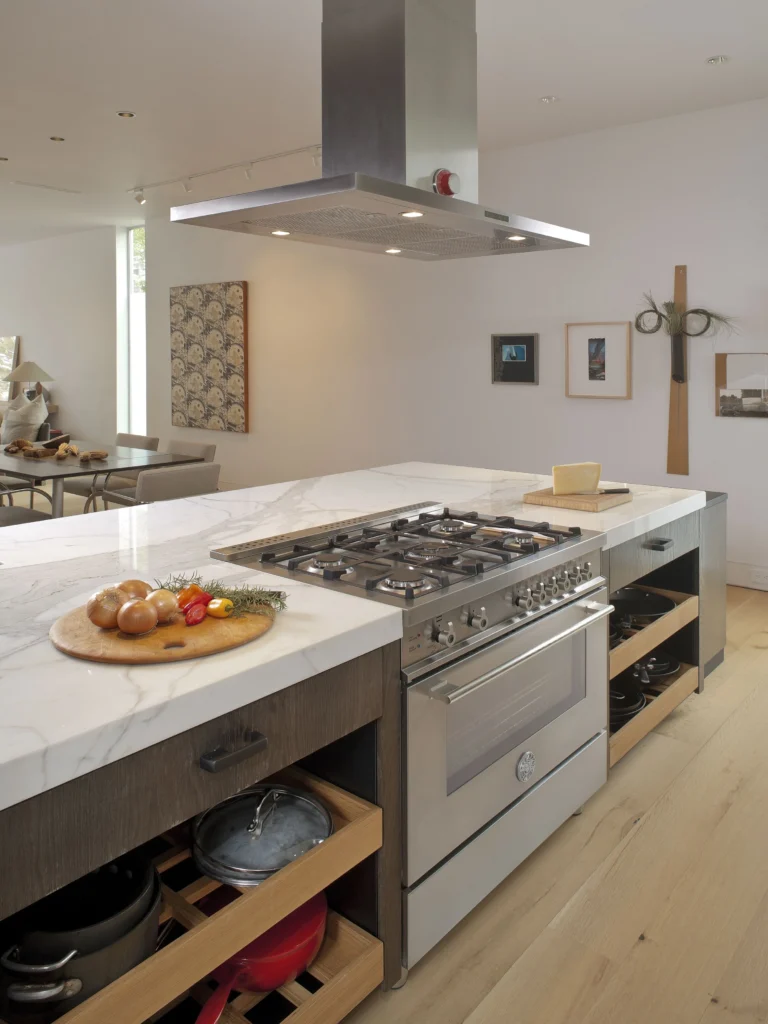
Integrating a stove top into the island offers several practical advantages that extend beyond visual appeal. First, it centralizes the cooking zone, allowing you to face guests while you sauté, simmer, or sear. This open‑facing arrangement fosters interaction, turning the kitchen into a social hub rather than an isolated workstation. Second, the island frees up wall space, giving you flexibility to install additional cabinets, a larger refrigerator, or a decorative backsplash without crowding.
Moreover, the island configuration improves ergonomics by reducing the distance you need to move between prep areas. According to the National Kitchen & Bath Association, a well‑designed island can cut movement by up to 30%, decreasing fatigue during long cooking sessions. Finally, a stove‑top island adds resale value; potential buyers often view it as a premium feature that signals modern design and thoughtful layout.
Design Considerations Before Installation

Assessing Space and Layout
Before you commit to an island stove top, measure your kitchen’s dimensions carefully. A comfortable clearance of at least 42 inches on all sides of the island is recommended to allow for easy movement and door swing. If your kitchen is smaller, consider a narrower island or a peninsula that still accommodates the stove top without compromising circulation.
Choosing the Right Ventilation
Proper ventilation is non‑negotiable when placing a stove top on an island. Unlike wall‑mounted ranges, island ranges require a dedicated downdraft system or an overhead island hood. Downdraft ventilators pull steam and odors down through a concealed vent, preserving the clean lines of a minimalist ceiling. However, they are typically less powerful than traditional hoods, so select a model rated for at least 600 CFM for gas ranges and 300 CFM for electric cooktops. For larger families or frequent entertaining, an overhead island hood with a sleek, glass canopy can provide superior performance while becoming a striking focal point.
Material Selection for Countertops
Heat‑resistant materials are essential for an island that houses a stove top. Granite and quartz are popular choices due to their durability and low maintenance. However, ensure that the edge profile includes a heat‑deflecting lip or a built‑in metal trim to protect against burner spills. For a contemporary look, consider a stainless‑steel or concrete countertop, both of which can endure high temperatures and offer a modern aesthetic.
Safety and Code Compliance
Local building codes often dictate specific requirements for island cooktops, especially regarding fire suppression and venting. It’s crucial to consult with a licensed contractor or kitchen designer to verify that your plan complies with regulations. Additionally, install a fire extinguisher within easy reach and consider a built‑in flame‑retardant panel on the island’s underside.
Integrating the Stove Top With Other Island Features

Seamless Storage Solutions
One of the island’s greatest strengths is its capacity for storage. Pair your stove top with deep drawers for pots and pans, pull‑out spice racks, and a dedicated pull‑out trash bin to keep the cooking area tidy. Incorporating a built‑in cutting board that slides out from beneath the countertop can also expand prep space when the burners are not in use.
Seating and Social Spaces
Adding a breakfast bar or overhang provides casual seating for family members to chat while you cook. Aim for a 12‑inch overhang for stools without backs and a 15‑inch overhang if you prefer chairs with backs. This arrangement encourages interaction and transforms the island into a multifunctional zone that supports both cooking and dining.
Lighting Design
Proper illumination is vital for both safety and ambiance. Pendant lights suspended over the island not only highlight the stove top but also add visual interest. Choose fixtures that offer adjustable brightness, allowing you to dim the lights for a relaxed dinner or brighten them for detailed prep work. For a cohesive look, match the pendant style with other lighting elements in the kitchen.
Choosing the Right Appliances for Your Island

When selecting a stove top for your island, consider the fuel type and cooking style you prefer. Gas burners deliver instant heat control, making them ideal for sautéing and flambéing, while induction cooktops offer rapid heating, precise temperature regulation, and easy cleaning. If you opt for induction, ensure your cookware is compatible; otherwise, you may need to invest in a new set of magnetic pots and pans.
Many manufacturers now offer modular island ranges that combine a cooktop, downdraft vent, and even a built‑in griddle or grill. These all‑in‑one units can simplify installation and reduce the need for separate ventilation components. Before finalizing your purchase, read reviews and verify the warranty terms to safeguard your investment.
Budgeting and Cost Considerations

The cost of installing a kitchen island with a stove top varies widely based on size, materials, and appliance choice. A basic custom island with a standard gas range and simple cabinetry may start around $5,000, while a high‑end design featuring quartz countertops, a premium downdraft vent, and custom lighting can exceed $20,000. To keep expenses in check, prioritize essential features and consider phased upgrades—install the island first and add advanced ventilation later.
Don’t overlook the potential savings from energy‑efficient appliances. Induction cooktops, for example, use up to 50% less energy than traditional electric ranges, translating into lower utility bills over time. Additionally, investing in quality materials up front can reduce maintenance costs and prolong the lifespan of your island.
Real‑World Inspiration and Case Studies

For design inspiration, explore the latest trends in creative kitchen islands. From sleek, monochrome finishes to warm, natural wood accents, the possibilities are endless. One notable case study features a family home where the island stove top was paired with a recessed downdraft vent, allowing the kitchen to maintain a clean ceiling line while delivering powerful ventilation. The homeowners reported a noticeable improvement in air quality and praised the social dynamics created by the open cooking layout.
Another example integrates a compact island stove top with a built‑in wine fridge and a hidden cutting board, demonstrating how multifunctionality can be achieved without sacrificing style. These real‑world applications highlight the adaptability of island stove tops across various design aesthetics and household needs.
Finally, consider how the island stove top can complement other areas of your home. For instance, an open‑plan layout that flows into the dining room or living area can benefit from a cohesive design language. Pairing the island’s sleek hardware with matching fixtures in the mid‑century modern entry console creates visual continuity throughout the space.
By thoughtfully planning each element—from ventilation and materials to seating and lighting—you can create a kitchen island with a stove top that serves as the heart of your home. The result is a harmonious blend of functionality and style, delivering a cooking experience that is both efficient and enjoyable. As you embark on this renovation journey, remember that meticulous design and professional installation are key to unlocking the full potential of this transformative kitchen feature.
