 Admin
Admin
When it comes to delivering instant, reliable hot water in a compact space, the 110 Volt Hot Water Heater has become a go‑to solution for many homeowners and renters. Its low‑voltage design makes it suitable for kitchens, bathrooms, and even small apartments where a full‑size 240‑volt system would be overkill. In this article we’ll explore the inner workings of these devices, how to install them safely, and what to consider when selecting the perfect model for your needs.
Beyond the basic function of heating water, a 110 V unit can dramatically affect your energy bill, your home’s safety profile, and the overall comfort of daily routines such as showers, dishwashing, and laundry. Understanding the technical specifications, wiring requirements, and maintenance practices will empower you to make an informed decision and enjoy years of trouble‑free performance.
Whether you’re renovating a bathroom, upgrading a kitchen, or simply adding a point‑of‑use water heater in a garage workshop, the following sections break down the essential information in a clear, step‑by‑step manner. Let’s dive into the world of low‑voltage water heating and see how it can transform your home.
How a 110 Volt Hot Water Heater Works
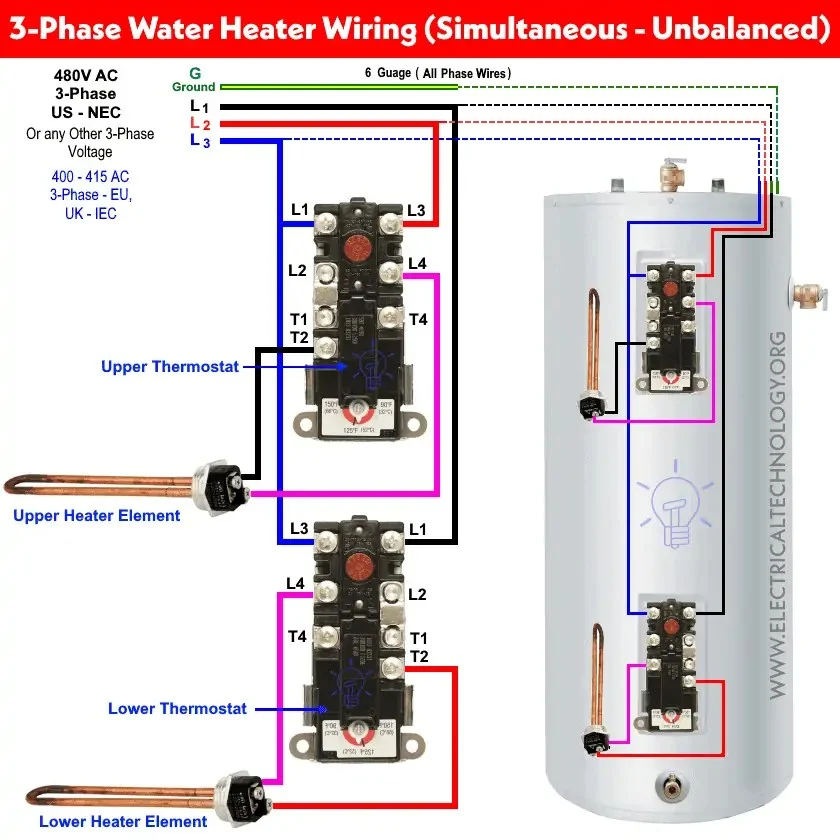
At its core, a 110 V hot water heater is an electric resistance heater encased in a steel or stainless‑steel tank. When electricity flows through the heating element, it converts electrical energy into heat, raising the temperature of the water stored inside. Because the unit operates on standard household voltage, it can be plugged into a regular outlet or hard‑wired to a dedicated 15‑amp circuit, eliminating the need for a specialized 240‑V line.
Key Components
- Heating Element: Typically 450–800 watts, designed to fit within the limited space of a 110 V system.
- Thermostat: Controls the temperature, usually set between 120°F and 140°F to balance comfort and safety.
- Insulation: Foam or fiberglass layers that keep water hot longer and improve energy efficiency.
- Pressure Relief Valve: A safety device that releases excess pressure to prevent tank rupture.
Why Voltage Matters
The lower voltage means the heating element draws less current, which reduces the risk of tripping circuit breakers. However, the trade‑off is a slower heating rate compared to 240 V units. This is why 110 V heaters are best suited for point‑of‑use applications where you only need a few gallons of hot water at a time, rather than whole‑house demand.
Installation Essentials

Proper installation is crucial not only for optimal performance but also for compliance with electrical codes. While many DIY‑savvy homeowners can handle a straightforward installation, certain scenarios require a licensed electrician—particularly when dealing with existing wiring or adding a new dedicated circuit.
Electrical Requirements
- Dedicated 15‑amp circuit with a correctly sized breaker.
- 12‑gauge copper wire for most 450‑watt models; 14‑gauge may suffice for lower wattage units.
- GFCI protection in wet locations such as bathrooms and kitchens.
Plumbing Connections
Most 110 V heaters feature standard ½‑inch or ¾‑inch inlet and outlet connections. Use Teflon tape on threaded fittings to ensure a leak‑free seal. Position the unit close to the point of use to minimize heat loss in the supply line.
Safety Checks Before Power‑Up
- Verify that the ground wire is securely attached.
- Confirm that the pressure relief valve is functional by lifting its lever; water should discharge.
- Check for any visible damage to the heating element or wiring.
Once these steps are completed, you can safely restore power and test the heater. It typically takes 30–45 minutes to heat a 2‑gallon tank from cold to 120°F.
Energy Efficiency and Cost Savings
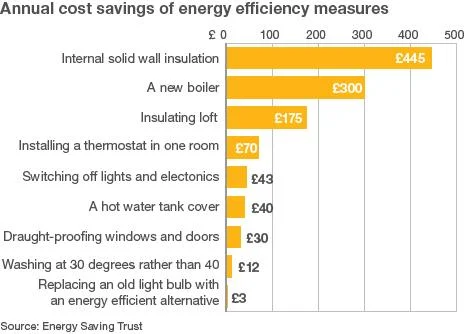
One of the biggest advantages of a 110 V hot water heater is its energy‑saving potential. Because the unit only heats a small volume of water on demand, it avoids the standby losses associated with larger, continuously heating systems.
Comparing Energy Use
- 110 V Unit: Approx. 0.5–0.8 kWh per heating cycle.
- 240 V Whole‑House Heater: 3–4 kWh per cycle, plus constant standby heat.
Assuming an average of three cycles per day, a 110 V heater can save up to $150–$200 annually on electricity, depending on local rates. These savings become even more significant when paired with energy‑efficient fixtures such as low‑flow showerheads and faucet aerators.
For those looking to optimize kitchen design while keeping energy usage low, consider integrating the heater with a small kitchen island with stove. This approach consolidates cooking and hot water generation in a compact footprint, reducing the need for separate appliances.
Maintenance Best Practices
Regular maintenance extends the lifespan of a 110 V heater and ensures consistent performance. Unlike larger tanks, these units have fewer components, making upkeep relatively simple.
Routine Checks
- Annual Flushing: Drain the tank to remove sediment that can insulate the heating element.
- Element Inspection: Test for continuity with a multimeter; replace if resistance is out of spec.
- Thermostat Calibration: Verify that the water temperature matches the thermostat setting.
When to Replace
If you notice a persistent drop in water temperature, frequent tripping of the circuit breaker, or visible corrosion on the tank’s exterior, it may be time to replace the unit. Most 110 V models have a lifespan of 8–12 years, but proper care can push that toward the higher end.
Choosing the Right Model for Your Space
Selecting the ideal 110 V hot water heater involves balancing capacity, size, and features. Below are key considerations to guide your decision.
Capacity
- 2‑gallon units: Perfect for a single sink or a small bathroom shower.
- 4‑gallon units: Suitable for combined sink and shower use, or a kitchen with occasional dishwasher needs.
Physical Dimensions
Measure the installation area carefully. Many models are designed to fit under countertops or in tight closets. If space is at a premium, look for a “compact” or “slim‑profile” version.
Additional Features
- Digital Display: Shows real‑time temperature and error codes.
- Built‑in Timer: Allows you to schedule heating cycles during off‑peak hours.
- Self‑Cleaning Element: Reduces the frequency of manual flushing.
For a holistic home upgrade, you might also explore how a modern living room layout can complement your bathroom renovation. The big lots sectional guide offers inspiration on creating a cohesive aesthetic throughout your home, ensuring that functional improvements like a new water heater enhance the overall design.
Common Questions Answered
Can a 110 V heater be used in a 240 V outlet?
No. Connecting a 110 V unit to a 240 V supply will instantly burn out the heating element and create a fire hazard. Always match the heater’s voltage rating with the circuit.
Is a GFCI required?
Yes, the National Electrical Code (NEC) mandates GFCI protection for any electrical outlet located within a bathroom, kitchen, or other wet area. This safeguards against electric shock.
What is the typical warranty period?
Most reputable manufacturers offer a 2‑year limited warranty on parts and a 5‑year warranty on the heating element. Check the specific warranty terms before purchasing.
Can I install the heater myself?
If you have basic electrical knowledge and the installation adheres to local code, a DIY approach is feasible. However, for any doubt—especially concerning circuit sizing or GFCI installation—consult a licensed electrician.
Environmental Impact

Low‑voltage water heaters contribute to a reduced carbon footprint by consuming less electricity per heating cycle. When paired with renewable energy sources, such as rooftop solar panels, the environmental benefits are amplified. A 110 V heater can operate directly off a solar inverter, offering hot water on sunny days without drawing from the grid.
Recycling and Disposal
When it’s time to retire your unit, recycle the metal tank and electronic components according to local regulations. Many manufacturers provide take‑back programs that ensure responsible disposal.
In summary, a 110 Volt Hot Water Heater offers a practical, energy‑efficient solution for localized hot water needs. By understanding the technical aspects, following proper installation protocols, and maintaining the unit regularly, you can enjoy reliable hot water while keeping utility costs low and safety high.
