 Admin
AdminWhen it comes to keeping your lawn looking immaculate, the heart of the operation is often an overlooked component: the oil that lubricates your Briggs and Stratton engine. Briggs and Stratton Lawn Mower Oil isn’t just another fluid—it’s the lifeblood that ensures smooth combustion, protects critical moving parts, and extends the life of your mower. Whether you’re a seasoned homeowner with a decade‑long mowing routine or a first‑time buyer setting up a new mower, understanding the right oil, how often to change it, and what signs indicate a problem can make the difference between a reliable cut and a costly repair.
In this comprehensive guide we’ll walk through the science behind oil viscosity, the specific formulations Briggs and Stratton recommends, and practical steps for oil changes that even a DIY novice can follow. You’ll also learn how to read oil levels accurately, recognize common oil‑related issues, and choose the best oil for different climates and mowing frequencies. By the end, you’ll be equipped with the confidence to keep your mower humming at peak efficiency season after season.
Before diving deep, let’s clarify why Briggs and Stratton’s own oil blends often outperform generic alternatives. Their oils are engineered to match the precise tolerances of the company’s small‑engine design, balancing thermal stability, anti‑wear additives, and detergent properties that keep pistons, bearings, and cylinder walls clean. This synergy is why many professional landscapers swear by the brand’s proprietary formulas.
Understanding the Role of Oil in Small Engines
Oil in a Briggs and Stratton engine performs three core functions:
- Lubrication: Reduces friction between moving components, preventing premature wear.
- Cooling: Carries heat away from hot zones, maintaining optimal operating temperatures.
- Cleaning: Suspends contaminants and deposits, allowing them to be filtered out rather than building up on internal surfaces.
Viscosity Matters: SAE 30 vs. 5W‑30
Viscosity, the measure of an oil’s thickness, is denoted by SAE numbers. For most Briggs and Stratton mowers operating in moderate climates, SAE 30 is the standard recommendation. It provides a robust film at typical operating temperatures, ensuring reliable lubrication.
In colder regions where temperatures dip below 0 °C (32 °F), a multi‑grade oil like 5W‑30 offers better cold‑start performance. The “5W” indicates the oil remains fluid enough for easy engine turnover at low temperatures, while the “30” ensures adequate thickness once the engine warms up.
Synthetic vs. Conventional Oil
While Briggs and Stratton’s standard oil is mineral‑based, synthetic blends are gaining popularity for their superior thermal stability and resistance to oxidation. Synthetic oil can be especially advantageous for:
- High‑altitude mowing where air density affects combustion.
- Frequent, short‑duration runs that don’t allow the engine to reach optimal temperature.
- Environments with heavy dust or debris, as synthetics often include stronger detergents.
However, it’s essential to verify that any synthetic product meets the manufacturer’s specifications—look for the “BS‑Oil‑30” label or an equivalent certification.
Choosing the Right Briggs and Stratton Lawn Mower Oil
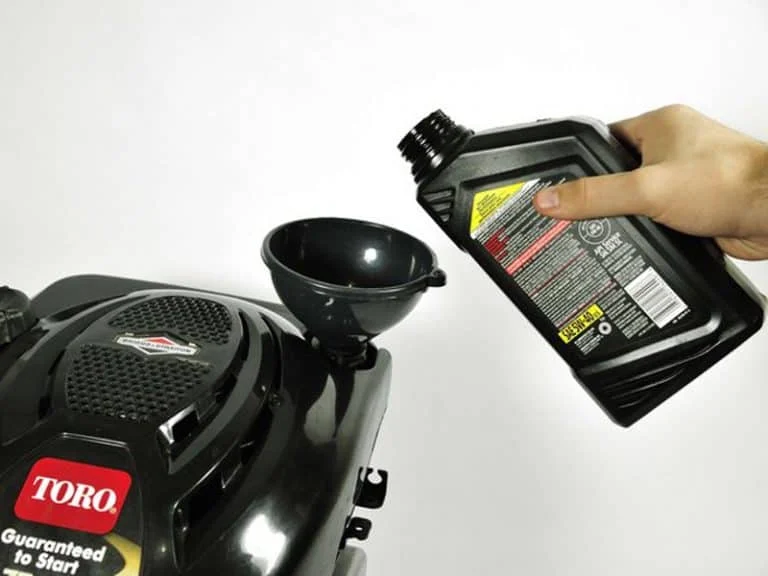
The first step in any maintenance routine is selecting an oil that matches your mower’s operating conditions and the engine’s design. Here’s a quick decision‑making flow:
- Check the Owner’s Manual: Briggs and Stratton explicitly states the recommended viscosity and oil type for each model.
- Assess Climate: Use SAE 30 in warm climates, switch to 5W‑30 in colder areas.
- Consider Usage Frequency: Heavy daily use may benefit from a high‑performance synthetic blend.
- Look for Certified Labels: “BS‑Oil‑30” or “BS‑Oil‑5W‑30” ensures compatibility.
For most residential mowers, a 32‑ounce bottle of Briggs and Stratton Premium SAE 30 oil provides enough volume for two to three oil changes, making it a cost‑effective choice.
Top Recommended Products
- Briggs & Stratton SAE 30 Premium Small Engine Oil – Ideal for standard mowing conditions.
- Briggs & Stratton 5W‑30 Synthetic Blend – Best for colder climates and high‑performance demands.
- Briggs & Stratton High‑Performance 30W‑40 – Suitable for heavy‑duty commercial mowers.
Step‑By‑Step Oil Change Procedure

Changing the oil is one of the few maintenance tasks that most homeowners can perform with minimal tools. Follow these steps to ensure a clean, thorough change:
What You’ll Need
- Correct grade of Briggs and Stratton oil (SAE 30 or 5W‑30).
- Oil drain pan (at least 1 liter capacity).
- Funnel.
- Clean rags.
- New oil filter (if your model uses a replaceable filter).
- Basic socket set or wrench.
Procedure
- Warm Up the Engine: Run the mower for 2‑3 minutes to warm the oil. Warm oil drains faster and leaves less residue.
- Turn Off and Disconnect: Shut off the engine, remove the spark plug wire to prevent accidental starts.
- Locate the Drain Plug: Typically found at the bottom of the crankcase. Place the drain pan underneath.
- Remove the Plug: Using the appropriate wrench, unscrew the plug. Allow the oil to fully drain (usually 30‑60 seconds).
- Replace the Filter (if applicable): Unscrew the old filter, coat the new filter’s gasket with a thin layer of fresh oil, then install it hand‑tight.
- Re‑install the Drain Plug: Tighten to the manufacturer’s torque specification (usually 7‑9 Nm).
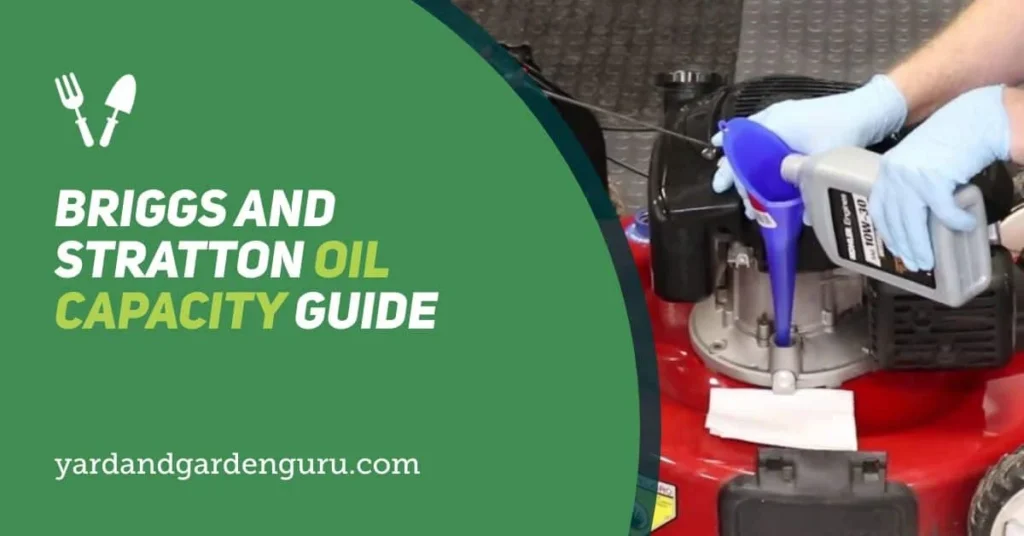
- Add Fresh Oil: Insert a funnel into the oil fill opening and pour the recommended amount (often 18‑22 oz for residential models).
- Check the Level: Use the dipstick or sight‑glass to verify the oil sits within the “Full” mark. Add a little more if needed.
- Run the Engine Briefly: Let the mower idle for a minute, then re‑check the level and top off if necessary.
For visual learners, many manufacturers provide short video tutorials on their websites—watching one can reinforce the steps and reduce the chance of errors.
Common Oil‑Related Problems and How to Diagnose Them

Even with regular changes, issues can arise. Recognizing symptoms early can prevent extensive damage.
Oil Leak
Leaks often appear as a puddle of oil under the mower or as oil on the mower deck. Common causes include worn gasket seals, a loose drain plug, or a cracked oil pan. Tighten the plug, replace the gasket, or inspect the pan for cracks. If the leak persists, consider professional servicing.
Excessive Engine Smoke
Blue or white smoke from the exhaust typically signals oil burning. This can result from over‑filling, using oil that’s too thick for the temperature, or worn piston rings. Verify the oil level first—if it’s above the “Full” line, drain the excess. If the level is correct, you may need to replace piston rings or use a thinner oil in colder conditions.
Loss of Power
When oil isn’t providing adequate lubrication, friction increases, causing the engine to work harder and lose power. Check the oil’s viscosity; using SAE 30 in sub‑zero weather can cause thick oil that hampers performance. Switch to a multi‑grade oil and monitor any improvement.
Unusual Engine Noises
Knocking or ticking sounds may indicate low oil pressure or insufficient oil supply. Verify the oil level, ensure the oil pump (if equipped) isn’t clogged, and confirm you’re using oil with the proper additive package. Persistent noise warrants a professional inspection.
Extending Mower Life Beyond Oil Maintenance
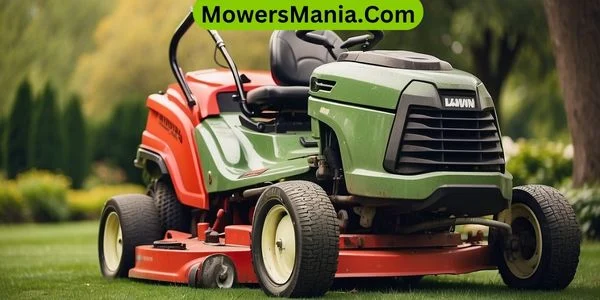
While oil is a critical factor, a holistic maintenance approach yields the best results. Consider the following practices alongside regular oil changes:
- Air Filter Care: Clean or replace the air filter every 25‑50 hours of operation to prevent dust from contaminating the oil.
- Spark Plug Inspection: Replace worn plugs to ensure efficient combustion, reducing carbon buildup in the oil.
- Blade Sharpening: Sharp blades cut grass cleanly, reducing engine load and heat generation.
- Storage Practices: In winter, run the engine until it’s warm, change the oil, and store the mower in a dry place to prevent moisture buildup.
Integrating these steps creates a synergistic effect: cleaner combustion means cleaner oil, and cleaner oil protects engine components, which in turn reduces wear on other parts.
Seasonal Checklist
- Spring: Change oil, replace air filter, sharpen blades.
- Summer: Monitor oil level weekly, inspect spark plug.
- Fall: Perform a final oil change, clean the deck, store in a sheltered area.
- Winter: If stored long‑term, consider a fuel stabilizer and drain the fuel tank to avoid gum formation.
Frequently Asked Questions About Briggs and Stratton Lawn Mower Oil
Can I use any 30‑weight oil in my Briggs and Stratton mower?
Technically, any SAE 30 oil will lubricate the engine, but Briggs and Stratton recommends oil that meets their BS‑Oil‑30 standard. These oils contain additives specifically formulated for the brand’s engine tolerances, offering better protection against wear and deposits.
How often should I change the oil on a residential mower?
The general rule is every 25‑50 hours of use, or at least once a season. Heavy use—such as mowing large lawns daily—may require more frequent changes.
Is it safe to mix synthetic and conventional oil?
Mixing is not advisable. Different additive packages can interact unpredictably, potentially reducing overall effectiveness. Choose one type and stick with it for each oil change.
What does “BS‑Oil‑30” mean?
It’s a certification that the oil meets Briggs and Stratton’s performance criteria for viscosity, anti‑wear protection, and detergent strength. Look for this label on the packaging to ensure compatibility.
My mower is still making noise after an oil change—what next?
Re‑check the oil level and ensure the drain plug is properly torqued. If the noise persists, examine the air filter, spark plug, and blade balance. Persistent issues may indicate internal wear that requires professional service.
Where to Purchase Authentic Briggs and Stratton Oil
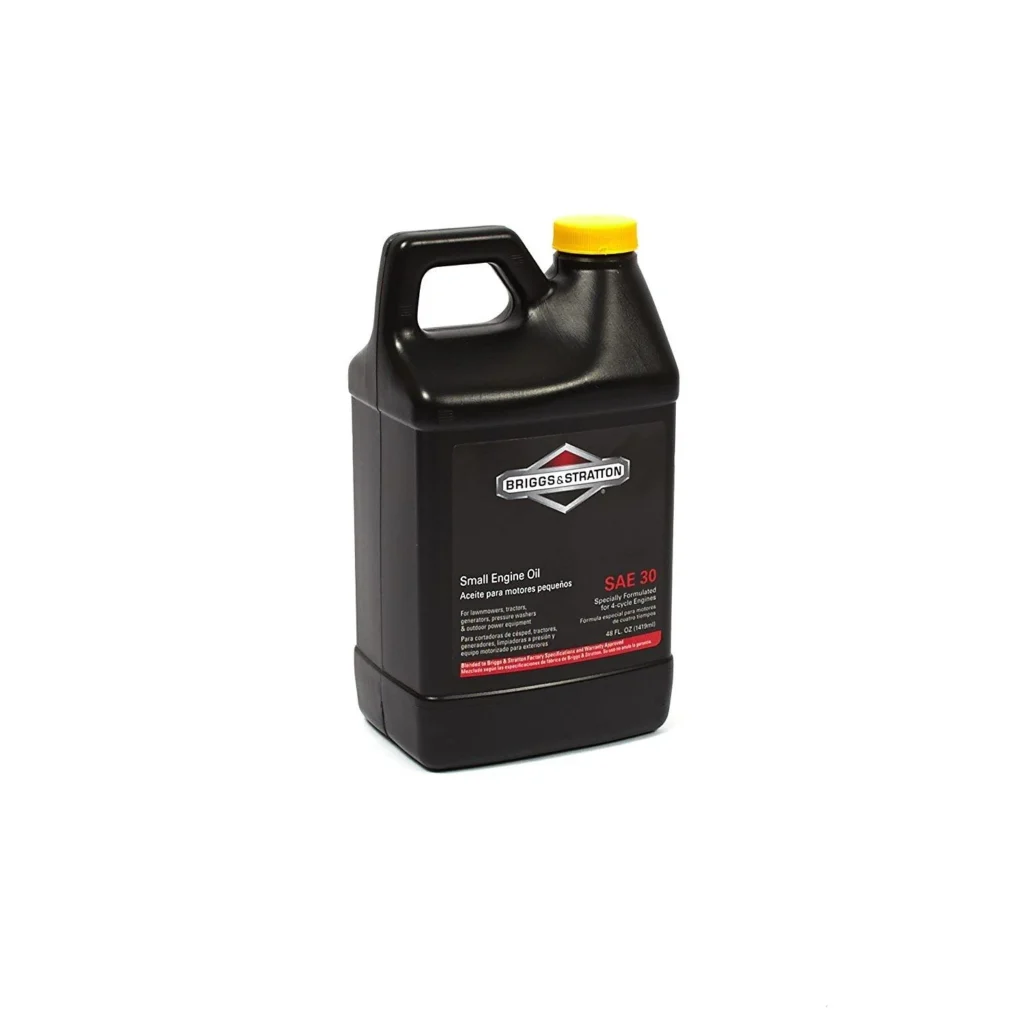
Authentic oil can be purchased through several channels:
- Authorized Dealers: Local hardware stores and garden centers often carry the brand’s line.
- Online Retailers: Websites like Amazon, Home Depot, and the official Briggs & Stratton site offer genuine products with user reviews.
- Direct from the Manufacturer: Buying directly guarantees you receive the latest formulation.
When shopping online, verify that the seller is reputable to avoid counterfeit products, which may lack the required additive package and could void warranty coverage.
Integrating Oil Care with Overall Garden Maintenance

A well‑maintained mower is only one piece of a thriving garden ecosystem. Proper oil care reduces emissions, keeping air quality better for your plants and family. Additionally, a smoothly running engine consumes fuel more efficiently, saving money and reducing the carbon footprint of your landscaping routine.
For inspiration on how to create a cohesive outdoor living space, you might explore how extra large sectional sofas can transform your patio area. While this isn’t directly about mower oil, it highlights the importance of thoughtful design and maintenance across all aspects of your home and garden.
Another useful read is the guide on mid‑century modern entry tables, which, like mower maintenance, blends classic craftsmanship with modern functionality—an ethos Briggs and Stratton embodies in its engine designs.
Finally, if you’re looking to streamline your garden workflow, consider the tips from the kitchen island stove phenomenon. The underlying principle of efficient, well‑planned spaces applies equally to the layout of your garden tools and storage, ensuring everything you need—including the right oil—is within easy reach.
By treating oil maintenance as an integral part of your garden’s health, you’ll enjoy a greener, cleaner, and more reliable mowing experience for years to come.
[ CATEGORY ]: Garden
[ TAGS ]: Briggs and Stratton, lawn mower oil, small engine maintenance, SAE 30, synthetic oil, garden equipment, mower care, oil change guide, engine lubrication, outdoor maintenance
