 Admin
Admin
The Mid Century Modern entry table has become a staple in contemporary interiors, offering a perfect blend of form and function that welcomes guests while anchoring the aesthetic of your home. Rooted in the design revolution of the 1950s and 1960s, these pieces embody clean lines, organic shapes, and a minimalist sensibility that still feels fresh today. Whether you’re outfitting a compact hallway or a grand foyer, an entry table inspired by mid‑century modern principles can instantly elevate the space, providing a practical surface for keys, mail, and décor without overwhelming the room.
Beyond mere utility, the entry table serves as the first impression of your interior philosophy. A thoughtfully chosen piece reflects an appreciation for craftsmanship, an eye for proportion, and a desire to create a welcoming atmosphere. In this article we’ll explore the origins of mid‑century modern design, dissect the essential characteristics that define an authentic entry table, and provide actionable tips for selecting, styling, and caring for your new focal point. By the end, you’ll be equipped to make an informed purchase that aligns with both your aesthetic preferences and everyday needs.
Ready to transform your entryway? Let’s dive into the world of mid‑century modern entry tables and discover how this iconic furniture style can become the cornerstone of your home’s first impression.
History and Origins of Mid‑Century Modern Design

The mid‑century modern movement emerged in the post‑World War II era, a time marked by optimism, technological advancement, and a desire for simplicity after years of austerity. Visionaries such as Charles and Ray Eames, Eero Saarinen, and George Nelson championed designs that emphasized functionality, natural materials, and a seamless integration with the surrounding environment.
In the realm of entry furniture, designers sought to create pieces that were both welcoming and unobtrusive. The entry table, often positioned against a wall or beside a door, became an opportunity to showcase the movement’s hallmark features: tapered legs, geometric forms, and an emphasis on open space. The resulting designs were light yet sturdy, elegant yet practical—qualities that continue to resonate with today’s interior enthusiasts.
Influential Designers and Iconic Pieces
- Charles & Ray Eames – Their iconic “Eames Walnut Side Table” demonstrated the marriage of organic wood grain with sleek, low‑profile legs, setting a precedent for entry tables that feel both natural and modern.
- Eero Saarinen – Known for the “Tulip Table,” Saarinen’s work introduced the concept of a single, central pedestal leg, freeing the tabletop from visual clutter and inspiring many entry‑table variations.
- George Nelson – The “Nelson Platform Bench” and related storage pieces highlighted the utility‑first mindset, encouraging the incorporation of hidden compartments within entry furniture.
Key Characteristics of a Mid‑Century Modern Entry Table

When scouting for the perfect piece, look for the following defining traits that signal authentic mid‑century modern design:
1. Clean, Geometric Silhouettes
Lines are crisp and forms are often rectangular or square, sometimes softened with subtle curves. The overall silhouette should convey balance without excessive ornamentation.
2. Tapered or Pedestal Legs
Legs typically narrow toward the floor, creating a sense of lightness. Pedestal bases—often a single central column—eliminate visual bulk and enhance the floating appearance of the tabletop.
3. Natural Materials and Warm Finishes
Solid woods such as teak, walnut, oak, and rosewood dominate, showcasing grain patterns that add depth. When wood isn’t feasible, high‑quality veneers or laminates that mimic these tones are acceptable alternatives.
4. Functional Add‑Ons
Drawers, shelves, or concealed compartments are common, providing storage for everyday items while keeping the surface clear for decorative accents.
5. Minimalist Hardware
When hardware is present, it’s discreet—often recessed pulls, brushed brass, or simple metal knobs that don’t distract from the overall form.
Choosing the Right Materials and Finishes

The material palette not only dictates visual appeal but also influences durability and maintenance. Below are the most popular options and how to evaluate them.
Solid Hardwood
Solid teak, walnut, or oak offers unparalleled longevity and a timeless patina that deepens with age. Look for tables with a sturdy mortise‑and‑tenon joint construction, as this traditional method ensures structural integrity.
Engineered Wood with Veneer
For budget‑conscious shoppers, engineered wood topped with a thin veneer of genuine hardwood provides the visual charm of solid wood at a lower cost. Ensure the veneer is at least 1/16 inch thick to avoid premature peeling.
Metal Accents
While wood remains the dominant material, metal legs or frames—often in brushed brass, matte black, or polished chrome—add a contemporary twist. Pairing metal with wood can enhance the mid‑century aesthetic when done judiciously.
Finishing Techniques
Oil‑based finishes like Danish oil or tung oil penetrate the wood, highlighting its natural grain while offering protection against moisture. Lacquered surfaces deliver a higher sheen but may require more frequent touch‑ups. Choose a finish that complements the existing color scheme of your foyer.
Styling Your Entryway: Practical Tips
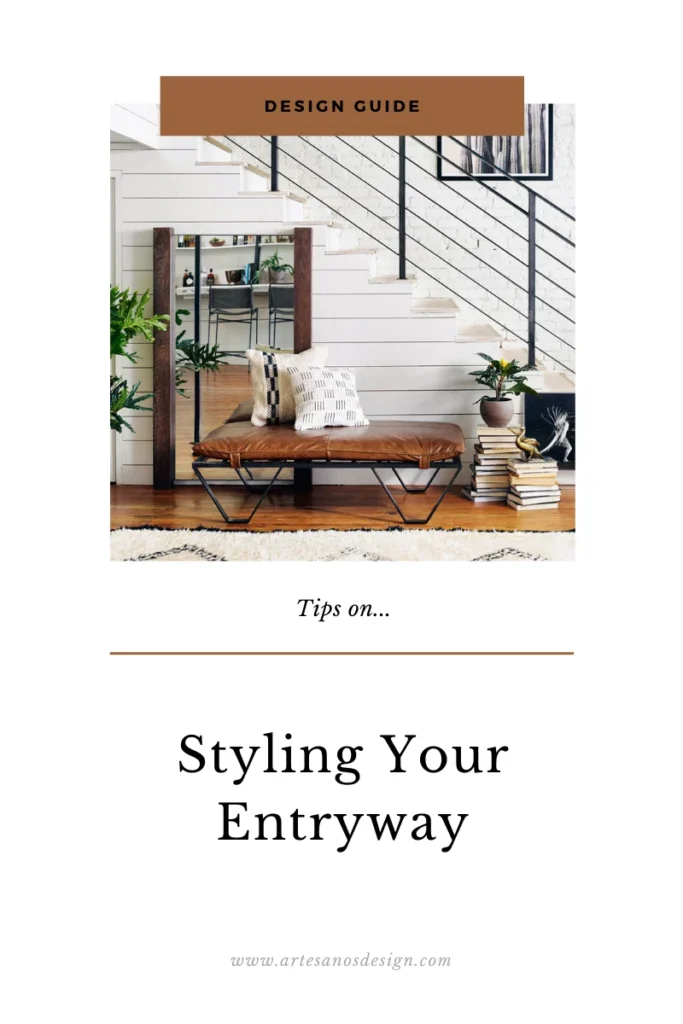
A Mid Century Modern entry table is a canvas for personal expression. Here are actionable ideas to maximize its visual impact while maintaining functionality.
Layered Décor
Start with a slim tray for keys and mail, add a low‑profile vase with a single stem, and finish with a decorative object such as a retro‑style clock or a small sculptural piece. The goal is to maintain balance—no more than three items to avoid clutter.
Integrate Lighting
Consider a sleek, mid‑century inspired table lamp with a conical shade or a simple arc lamp placed nearby. The gentle illumination enhances the wood’s warmth and highlights the table’s clean lines.
Complementary Furniture
Pairing your entry table with a matching console or bench can create a cohesive vignette. For inspiration, see Transform Your Entryway: The Ultimate Mid Century Modern Entry Console Guide, which offers detailed suggestions on coordinating pieces.
Use of Color
While mid‑century palettes favor earth tones, a subtle pop of color—such as a mustard‑yellow tray or a teal ceramic bowl—can inject personality without compromising the style’s understated elegance.
Connection to Adjacent Spaces
If your foyer opens into a kitchen, align the entry table’s material with the kitchen’s cabinetry. For example, a teak table pairs beautifully with a teak‑finished kitchen island, reinforcing a unified design language. Explore the synergy between spaces in articles like Unlock the Secret to Stunning Spaces with Creative Kitchen Islands – Your Ultimate Design Guide.
Where to Buy and What to Look For

Purchasing a genuine mid‑century modern entry table involves more than a quick online search. Follow these guidelines to ensure authenticity, quality, and value.
Authentic Vintage vs. Reproduction
- Vintage – Original pieces from the 1950s‑60s command higher prices but offer historical significance. Verify provenance, inspect for repairs, and confirm that the wood and hardware match period specifications.
- Reproduction – Modern manufacturers often replicate iconic designs with improved durability. Look for reputable brands that reference original designers and use high‑quality materials.
Key Inspection Points
- Joinery – Dovetail or mortise‑and‑tenon joints indicate craftsmanship; avoid tables held together with only screws or glue.
- Finish Condition – Even wear and a smooth surface suggest proper maintenance; cracks, chips, or uneven varnish may require refinishing.
- Hardware Integrity – Drawers and doors should glide smoothly; worn or missing hardware can be replaced but may affect authenticity.
Trusted Retail Channels
Specialty furniture stores, reputable online marketplaces, and auction houses are reliable sources. Many contemporary retailers also offer limited‑edition collaborations with legacy designers, providing an authentic feel at a more accessible price point.
Maintenance and Longevity

Proper care ensures your entry table remains a centerpiece for decades. Follow these maintenance routines to preserve its beauty.
Routine Cleaning
Dust with a soft, lint‑free cloth weekly. For deeper cleaning, use a slightly damp cloth with a mild wood‑safe cleaner; avoid abrasive chemicals that can strip the finish.
Seasonal Conditioning
Apply a thin coat of natural oil (e.g., Danish oil) twice a year to replenish moisture, especially in dry climates. This prevents cracking and maintains the wood’s natural luster.
Protective Practices
Place felt pads under heavy decorative items to prevent scratches. Avoid exposing the table to direct sunlight for extended periods, as UV rays can fade finishes over time.
Repair Strategies
Minor scratches can be addressed with a matching wood filler or a light sanding followed by re‑application of finish. For structural issues, consult a professional woodworker experienced in mid‑century restoration.
By integrating these care habits, your Mid Century Modern entry table will continue to welcome guests with the same grace and style that first drew you to it.
Embracing the mid‑century modern aesthetic isn’t just a design choice; it’s an invitation to live in a space where history, craftsmanship, and contemporary living intersect. Whether you opt for an authentic vintage find or a high‑quality reproduction, the right entry table sets the tone for the entire home, reflecting an appreciation for timeless design and thoughtful functionality. Let your entryway speak volumes about your taste—starting with a piece that is as beautiful as it is purposeful.
