 Admin
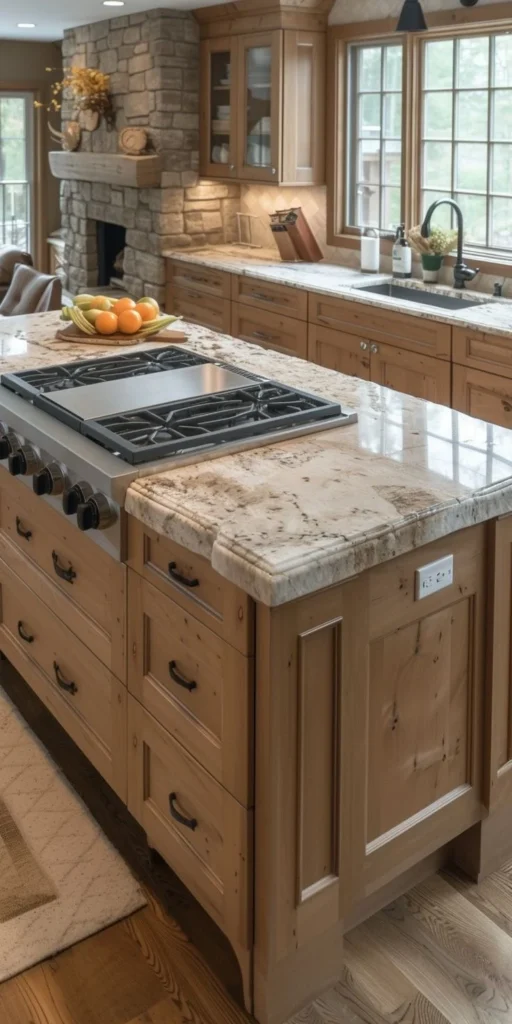
AdminWhen you hear the term Island Stove Top, you instantly picture a sleek, high‑performance cooking surface anchored at the heart of a modern kitchen. This centerpiece does more than just heat pots and pans; it reshapes how you move, interact, and entertain while preparing meals. In today’s open‑plan homes, the island stove top has become a symbol of both functional efficiency and sophisticated design.
Choosing the right island stove top involves balancing aesthetics, fuel type, and performance metrics. Whether you’re a culinary enthusiast seeking precise temperature control, a busy family needing durability, or a design‑savvy homeowner aiming for a visual focal point, understanding the nuances of these appliances will save you time, money, and future headaches.
In this comprehensive guide, we’ll walk through the essential considerations—materials, fuel options, sizing, safety, and maintenance—so you can make an informed decision that aligns with your cooking style and interior vision. Let’s dive into the world of island stove tops and explore how this single piece can elevate your entire kitchen experience.
Why an Island Stove Top Beats a Traditional Range

Traditional wall‑mounted ranges have served kitchens for centuries, but the island stove top offers distinct advantages that cater to contemporary lifestyles:
- Social Cooking: Positioned at the center of the room, it encourages interaction with guests while you cook.
- Design Flexibility: It can be paired with a custom countertop, a downdraft vent, or even a built‑in grill.
- Enhanced Workflow: With the ability to add a prep sink or storage cabinets beneath, the island becomes a true work triangle.
- Improved Visibility: No walls block the view, giving you a panoramic perspective of the entire kitchen.
Choosing Between Gas, Electric, and Induction
The fuel source is arguably the most critical decision. Each type brings its own set of benefits and trade‑offs.
- Gas: Offers instant heat and precise flame control, ideal for chefs who rely on visual cues.
- Electric (coil or smooth‑top): Provides even heating and is often more budget‑friendly. It’s also easier to clean than gas burners.
- Induction: Uses magnetic fields to heat cookware directly, delivering rapid temperature changes and superior energy efficiency. It also stays cool to the touch, enhancing safety.
When deciding, consider your cooking habits, the type of cookware you own, and your home’s existing gas or electrical infrastructure. For instance, if you already have a gas line in the kitchen, a gas island stove top may be the most cost‑effective route.
Key Design Elements to Consider

Beyond fuel type, several design aspects determine how well an island stove top integrates with your kitchen’s overall aesthetic and functionality.
Size and Configuration
Island stove tops range from compact 30‑inch models to expansive 48‑inch or larger units. The size you choose should reflect both the available island space and your cooking volume. A common rule of thumb is to leave at least 12 inches of countertop on each side for safe operation and to accommodate pots, pans, and utensils.
Ventilation Solutions
Because the stove sits in the middle of the room, traditional wall‑mounted range hoods won’t work. You have three main options:
- Downdraft Ventilation: Integrated into the island, it pulls smoke and steam upward through a concealed duct. Ideal for sleek, minimalist looks.
- Ceiling‑Mounted Exhaust: A powerful hood suspended from the ceiling can handle heavy cooking loads and offers a dramatic visual statement.
- Open‑Concept Venting: Some homeowners opt for a decorative vent hood that doubles as a design feature, especially in industrial‑style kitchens.
Choosing the right ventilation not only protects indoor air quality but also influences the island’s overall visual impact.
Material Choices for the Cooktop Surface
The countertop material surrounding the stove must tolerate high heat and resist stains. Popular selections include:
- Granite: Natural stone that endures heat well and offers a timeless look.
- Quartz: Engineered stone that resists scratching and is non‑porous, making cleanup easier.
- Stainless Steel: Offers a professional kitchen vibe and excellent heat resistance, though it can show fingerprints.
- Butcher Block: Provides warmth and a rustic feel, but requires careful sealing to prevent water damage.
Installation Essentials

Installing an island stove top is a project that typically requires a professional plumber, electrician, and carpenter. While the process varies based on fuel type, the following steps are common to most installations:
1. Verify Structural Support
The island must be engineered to bear the weight of the stove and any additional equipment, such as a downdraft vent. Reinforced framing and a sturdy countertop substrate (usually plywood or a high‑density fiberboard) are non‑negotiable.
2. Run the Necessary Utilities
For gas models, a certified plumber will need to install a dedicated gas line with appropriate shut‑off valves. Electric and induction units demand a dedicated 240‑volt circuit with a properly sized breaker. All connections must adhere to local building codes.
3. Install Ventilation
Whether you choose a downdraft system or a ceiling hood, proper ductwork is essential. A common mistake is under‑sizing the vent, which leads to inadequate smoke extraction and lingering odors.
4. Seal and Level the Cooktop
After the stove is positioned, seal the gap between the cooktop and countertop with high‑temperature silicone. This prevents moisture infiltration and ensures a seamless appearance.
For a deeper look at how to handle plumbing nuances, you might find the guide on replacing a wax seal on your toilet surprisingly helpful—it outlines the importance of proper sealing, a principle that applies equally to stove top installations.
Maintenance and Longevity Tips

Even the most premium island stove top will lose its luster without regular care. Below are actionable strategies to keep it performing at its peak.
Routine Cleaning
- Gas Burners: Remove grates weekly, soak them in warm, soapy water, and scrub away residue with a non‑abrasive brush.
- Electric Smooth‑Top: Wipe the surface with a soft cloth and a cleaner specifically formulated for glass‑ceramic tops. Avoid abrasive pads that can cause scratches.
- Induction Surfaces: Because the cooktop itself stays cool, a simple wipe‑down after each use is usually sufficient. For stubborn stains, a mixture of vinegar and water works wonders.
Preventing Damage
Never slide heavy pots across the surface; always lift them. Use cookware that matches the stove’s specifications—cast iron, stainless steel, and certain aluminum are safe for induction, while copper and some aluminum may not work.
Professional Servicing
Schedule a professional inspection at least once a year. Technicians can check gas connections for leaks, test electrical components, and clean the venting system. This preventive approach reduces the risk of costly repairs down the line.
Enhancing the Island Experience

An island stove top is just the beginning. Pairing it with complementary features transforms the island into a multifunctional hub.
Integrated Storage Solutions
Consider adding pull‑out drawers for pots and pans, spice racks, or a built‑in cutting board. These additions keep essential tools within arm’s reach, streamlining the cooking workflow.
Seating and Social Space
Installing a breakfast bar or high‑top stools around the island invites guests to watch the culinary action, turning dinner prep into an interactive experience. The right height—typically 36 inches for bar stools—ensures comfort without compromising safety around hot surfaces.
Lighting
Task lighting is crucial. Pendant lights or recessed LEDs positioned directly above the stove provide focused illumination, while ambient lighting beneath the island adds a modern glow. Choose fixtures with a heat‑resistant rating to avoid accidental burns.
Choosing the Right Brand and Model

With a plethora of manufacturers on the market, narrowing down the best fit can be daunting. Here are a few reputable brands known for their island stove tops:
- Wolf: Renowned for professional‑grade performance and robust construction.
- Viking: Offers a blend of classic aesthetics and powerful burners.
- GE Profile: Provides a more budget‑friendly entry point without sacrificing reliability.
- Samsung: Known for sleek induction models equipped with smart‑home connectivity.
When reviewing models, pay close attention to the warranty length, customer service reputation, and the availability of replacement parts. A longer warranty often signals confidence in durability.
Cost Considerations and Budgeting

The price range for island stove tops can be wide. A basic electric model may start around $1,200, while a high‑end gas or induction unit with custom venting can exceed $8,000. To stay within budget, consider these cost‑saving strategies:
- Prioritize Features: Identify which functions are essential (e.g., number of burners vs. smart controls).
- Shop Seasonal Sales: Many retailers offer discounts during holiday weekends.
- Explore Refurbished Units: Certified pre‑owned appliances can provide premium quality at a lower price.
Remember that installation costs—often $1,000 to $3,000 depending on complexity—should be factored into the total project budget.
Safety Best Practices

Safety cannot be overstated when dealing with high‑heat appliances in the center of a busy room.
Fire Prevention
Keep flammable items (dish towels, paper, etc.) away from the burners. Install a fire extinguisher rated for kitchen use within easy reach.
Child Safety
If you have young children, consider a built‑in safety lock for gas valves or an automatic shut‑off feature available on many induction models.
Ventilation Maintenance
Regularly clean or replace vent filters to ensure efficient smoke extraction, preventing carbon monoxide buildup.
Future Trends in Island Stove Top Design
Technology continues to reshape the culinary landscape. Anticipate these emerging trends when planning your kitchen remodel:
- Smart Integration: Wi‑Fi‑enabled burners allow temperature monitoring from a smartphone.
- Hybrid Fuel Systems: Some manufacturers are experimenting with combined gas‑induction units for ultimate flexibility.
- Modular Configurations: Interchangeable cooking zones (grill, wok, sous‑vide) can be swapped in and out of the island surface.
Staying informed about these innovations ensures that your island stove top remains relevant for years to come.
Choosing, installing, and maintaining an island stove top is an investment in both your home’s value and your daily cooking enjoyment. By understanding the critical variables—fuel type, size, ventilation, materials, and safety—you can create a kitchen centerpiece that not only looks stunning but also delivers professional‑grade performance. Whether you’re a seasoned chef or a casual home cook, the right island stove top will inspire creativity, foster social interaction, and become the heart of countless memorable meals.
