 Admin
AdminChoosing the right rug size for king bed setups can feel like solving a design puzzle, but the payoff is a bedroom that feels both spacious and anchored. A well‑chosen rug not only frames the bed but also adds texture, warmth, and visual interest to a room that often dominates the master suite. In this article we’ll unpack the dimensions, aesthetics, and practicalities that dictate the perfect rug under a king‑size bed, ensuring you make an informed decision that lasts for years.
Most homeowners start with a mattress size and then wonder how much floor space should be left uncovered. The truth is that the rug’s footprint should complement the bed’s scale, the layout of nightstands, and the flow of foot traffic. By the end of this guide you’ll know exactly which rug dimensions work best for your space, how to measure accurately, and which styling tricks can elevate the whole look without breaking the bank.
Understanding Standard King Bed Dimensions
Typical Mattress Size
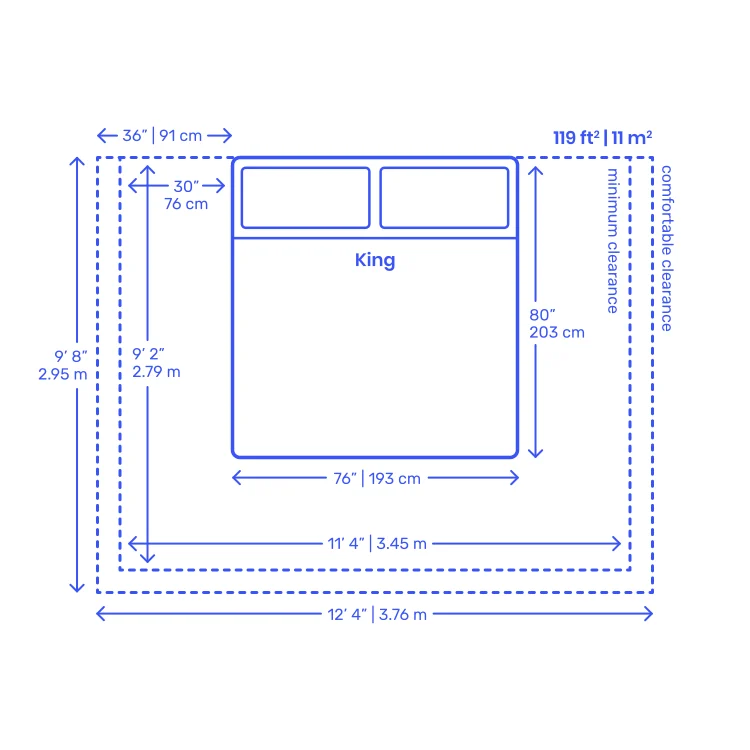
A standard American king mattress measures 76 inches wide by 80 inches long (about 193 cm × 203 cm). This “Eastern King” is the most common, though some designers opt for a “California King” (72 in × 84 in). Knowing the exact footprint of your mattress is the first step because the rug must extend beyond the mattress edges to create a balanced frame.
Bed Frame and Headboard
The frame and headboard add anywhere from 2 to 6 inches on each side, depending on the style. A sleek platform may barely extend beyond the mattress, while a tufted, high‑profile headboard can add a substantial visual bulk. When measuring for a rug, include the full width of the headboard if it protrudes beyond the mattress, as this will affect the rug’s required clearance.
Clearance and Walking Space
Interior designers recommend a minimum of 24 inches of exposed floor on each side of the bed for comfortable foot traffic, especially if you have nightstands on both sides. This clearance also prevents the rug from looking cramped and ensures that stepping out of bed feels natural.
Why Rug Size Matters

Visual Balance and Proportion
A rug that’s too small creates a disjointed look, making the bedroom feel fragmented. Conversely, an oversized rug can overwhelm a space, making the bed appear lost. The right size establishes a visual anchor, draws the eye toward the bed, and reinforces the room’s hierarchy.
Comfort and Safety
Beyond aesthetics, a rug offers a softer surface for bare feet and can reduce slips on hardwood or tile. When the rug extends enough to accommodate the sides of the bed, you can step onto the rug rather than directly onto a hard floor—an especially welcome feature during cold mornings.
Defining Zones
Even in a master suite that includes a sitting area or a vanity, the rug under the bed can delineate the sleeping zone from the rest of the room. This subtle zoning is crucial in open‑plan master suites where the bedroom shares space with a lounge area.
Common Rug Size Options for a King Bed
8 × 10 Feet – The Classic Choice
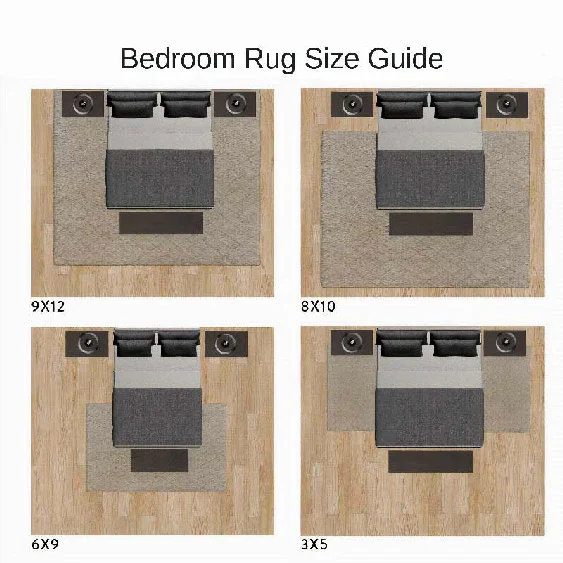
The 8 × 10 rug is the most frequently recommended size for a standard king mattress. With 24‑inch clearance on each side, it provides a generous border that frames the bed without overwhelming the space. This size works well in rooms that are at least 12 × 14 feet, allowing ample floor exposure around the rug’s edges.
9 × 12 Feet – Extra Luxury
If your master suite is spacious—think 14 × 16 feet or larger—a 9 × 12 rug creates an even more luxurious feel. The additional width and length let you place nightstands completely on the rug, offering a cohesive look that ties furniture together. This size is also ideal when you have a larger headboard that needs extra visual support.
6 × 9 Feet – Minimalist Approach
In tighter rooms or when you prefer a more contemporary, “floating” bed look, a 6 × 9 rug can work. Position the rug so that it sits under the lower two-thirds of the mattress, leaving the outer edges of the bed exposed. This arrangement can accentuate the bed’s silhouette and is popular in modern minimal‑design schemes.
Custom or Runner Rugs
For asymmetrical layouts—such as a king bed positioned against a wall with a side lounge—a custom‑cut rug or a runner placed alongside the bed can add visual interest. While not a full‑footprint solution, runners can complement a larger central rug or serve as a standalone element in narrow spaces.
How to Measure and Choose the Perfect Rug
Step‑by‑Step Measurement Guide
- Measure the mattress. Record the exact width and length, including any additional frame overhang.
- Determine desired clearance. Add at least 24 inches to each side of the mattress for walking space.
- Calculate rug dimensions. Add the clearance to the mattress dimensions. For a standard king (76 × 80) plus 24‑inch clearance each side, you get 124 in × 128 in, which translates roughly to an 8 × 10 rug.
- Check room size. Ensure the rug does not extend beyond the room’s walls or interfere with other furniture placements.
- Lay out a template. Use masking tape or newspaper cut to the rug’s size on the floor to visualize the final look before purchasing.
Using the “Rug Placement” Guides
For a deeper dive, see the ultimate guide to choosing the perfect rug size under a king bed. That article walks you through real‑world examples, floor plans, and before‑and‑after photos that illustrate how slight adjustments in rug size can dramatically alter a bedroom’s ambience.
Styling Tips: Color, Pattern, and Material

Choosing the Right Color Palette
Neutral tones such as ivory, beige, or soft gray create a serene backdrop and allow bedding and accent pieces to shine. If you’re aiming for a bold statement, consider a deep navy, emerald, or even a patterned rug that pulls colors from your duvet or artwork. Remember to keep the rug’s hue complementary to the wall color to avoid visual clash.
Pattern Scale and Balance
Large‑scale patterns work well with spacious rooms and king beds because they can be viewed from a distance without feeling crowded. Conversely, small, intricate designs suit compact spaces, adding texture without overwhelming the eye. When mixing patterns—say, a geometric rug with a floral duvet—stick to a shared color family to maintain harmony.
Material Matters
Wool remains the gold standard for bedroom rugs due to its softness, durability, and natural resistance to stains. For a cooler feel underfoot, consider a cotton or bamboo blend, especially in warmer climates. If you’re prone to allergies, look for hypoallergenic fibers or low‑pile options that trap fewer allergens.
Layering and Texture
Layer a low‑pile rug under a plush, high‑pile runner or a textured throw to add depth. This technique works particularly well when you have a king‑size bed with a high‑profile headboard, creating a tiered visual experience that feels intentional and curated.
Practical Considerations: Maintenance, Cost, and Placement
Cleaning and Care
Regular vacuuming—preferably with a suction‑only head—prevents dust buildup. For spills, blot immediately with a clean cloth; avoid rubbing, which can push liquid deeper into fibers. Wool rugs benefit from professional cleaning once a year, while synthetic blends can often be spot‑cleaned at home.
Budgeting for Quality
Investing in a high‑quality rug pays off in longevity and comfort. Expect to spend anywhere from $300 to $1,200 for a solid 8 × 10 wool rug from reputable manufacturers. If budget constraints are tighter, consider a high‑quality synthetic or a hand‑tied flat‑weave, which can mimic the look of wool at a lower price point.
Strategic Placement
Place the rug so that both nightstands sit fully on the surface, creating a unified visual block. If you prefer the “floating” look, align the rug with the lower two‑thirds of the mattress, allowing the nightstand legs to peek out. Avoid positioning the rug so it’s partially hidden beneath a footboard, as this can lead to uneven wear.
Future‑Proofing Your Choice
When selecting a rug, think about the long‑term style of your bedroom. Classic patterns and neutral palettes tend to age gracefully, while trendy colors may feel dated after a few years. Choose a rug that can adapt with simple changes in bedding, curtains, or accent pieces.
For an additional perspective on how rug placement can transform a bedroom, check out the secret to perfect rug placement under a king bed. The article offers practical layout diagrams and expert commentary on achieving a luxe look without overcomplicating the design.
Ultimately, the perfect rug size for a king bed balances proportion, comfort, and style. By measuring accurately, selecting a size that respects both the bed and the room’s dimensions, and pairing it with thoughtful color and material choices, you can create a bedroom that feels both grand and inviting. Whether you opt for the classic 8 × 10 for a timeless look or a generous 9 × 12 for a resort‑style retreat, the right rug will anchor your space and elevate daily routines.
