 Admin
Admin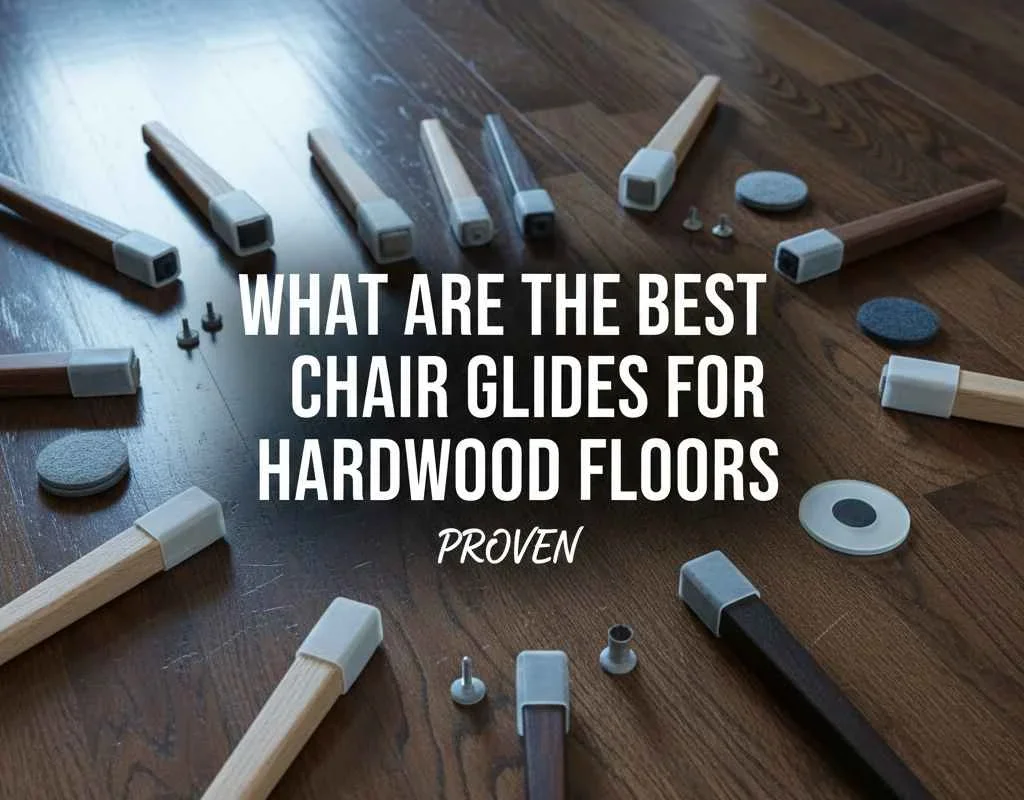
Hardwood floors bring warmth, elegance, and a timeless appeal to any interior, but they also demand careful handling. One of the most common sources of damage is the simple act of moving a chair across the surface. Without proper protection, the legs of a chair can scratch, dent, or even gouge the finish, diminishing the floor’s beauty and value. This is where chair glides for hardwood floors become an indispensable accessory.
Chair glides are small, often inconspicuous pads or sliders that attach to the bottom of a chair leg. They work by distributing weight more evenly and reducing friction, allowing the chair to glide smoothly without harming the wood. While the concept is straightforward, the market offers a surprising variety of materials, designs, and installation methods. Choosing the right option requires understanding both the functional needs of your space and the aesthetic preferences that complement your décor.
Chair Glides for Hardwood Floors: Why They Matter

When a chair is pushed in and out of a desk, pulled toward a dining table, or simply shifted for comfort, the contact point between the leg and the floor experiences repeated stress. Over time, even a well‑finished hardwood surface can develop micro‑scratches that accumulate into visible wear patterns. Chair glides for hardwood floors act as a buffer, preserving the integrity of the floor while also extending the lifespan of the chair itself.
Beyond protection, glides can improve the user experience. A chair that slides effortlessly reduces the effort required to adjust seating position, which can be particularly beneficial in office settings where chairs are moved frequently. Additionally, the right glide can enhance the overall aesthetic of a room, blending seamlessly with the furniture and flooring.
Types of Chair Glides for Hardwood Floors
The market categorizes chair glides for hardwood floors based on the material they are made from. Each material offers distinct benefits and drawbacks:
- Felt Pads – Soft, flexible, and excellent at absorbing shock. Felt glides are ideal for lighter chairs and provide a quiet, smooth glide. However, they may wear out faster under heavy weight.
- Rubber or Silicone Pads – Offer superior grip, preventing chairs from sliding unintentionally. These are perfect for high‑traffic areas where stability is essential.
- Plastic or Polyethylene Caps – Durable and resistant to moisture, making them suitable for dining chairs that may encounter spills.
- Metal Glides with a Soft Insert – Combine the strength of metal with a soft inner layer, providing a long‑lasting solution for heavy office chairs.
- Self‑Adhesive vs. Screw‑On – Self‑adhesive glides are quick to install, while screw‑on glides offer a more permanent, secure attachment.
Understanding these options helps you match the glide to the specific demands of your furniture and floor type.
How to Choose the Right Chair Glides for Hardwood Floors
Selecting the appropriate chair glides for hardwood floors involves evaluating several key factors:
- Weight Capacity – Heavy chairs, especially those with upholstered seats, need glides that can support higher loads without compressing.
- Floor Finish – Some hardwood finishes are more delicate than others. For a high‑gloss finish, felt pads are often recommended to avoid leaving marks.
- Mobility Needs – If you require frequent movement, a low‑friction material like silicone may be preferable.
- Design Aesthetics – Choose colors or finishes that blend with the chair legs. Transparent or natural‑tone glides often stay invisible.
- Installation Preference – DIY enthusiasts might opt for self‑adhesive glides, while those seeking a more robust solution may prefer screw‑on models.
For a deeper dive into how chair accessories impact ergonomics and comfort, you might explore our article on Chair Ergonomics Design: Creating Comfort and Productivity. It highlights how seemingly minor details, such as glides, can influence overall user satisfaction.
Installation Tips for Chair Glides for Hardwood Floors
Proper installation ensures that chair glides for hardwood floors perform as intended. Follow these steps for a reliable fit:
- Clean the Surface – Wipe the bottom of the chair leg with a lint‑free cloth to remove dust and oils.
- Choose the Correct Size – Measure the leg’s diameter to select glides that fully cover the contact area.
- Apply the Glide – For self‑adhesive glides, peel the backing and press firmly for 30 seconds. For screw‑on glides, align the holes and tighten the screw just enough to hold without crushing the glide.
- Test Movement – Gently slide the chair across the floor. If you feel resistance or hear scraping, re‑evaluate the glide material or positioning.
- Secure Loose Ends – Occasionally, adhesive may loosen over time. Re‑apply a small amount of furniture‑grade glue if needed.
Consistent installation not only protects your floor but also enhances the chair’s stability, reducing wobble and improving posture support.
Maintenance and Longevity of Chair Glides for Hardwood Floors
Even the best chair glides for hardwood floors will degrade over time. Regular maintenance extends their useful life:
- Inspect Monthly – Look for signs of wear, such as flattening or tearing, especially on felt pads.
- Clean the Glides – Dust and debris can become abrasive. Wipe glides with a dry cloth or a slightly damp cloth if they’re silicone or rubber.
- Replace When Needed – Swapping out worn glides is a quick fix that prevents floor damage. Keep a spare set on hand for convenience.
- Rotate Chairs – If possible, rotate the chairs in a room periodically to distribute wear evenly across all glides.
By staying proactive, you’ll maintain a pristine hardwood surface and enjoy smooth chair movement for years.
Alternatives: Chair Casters for Hardwood Floors
While chair glides are ideal for static or lightly mobile chairs, some environments benefit from wheels. Chair Casters for Hardwood Floors provide mobility without sacrificing floor protection, provided you select soft‑tread casters designed specifically for wood. These casters typically feature a rubberized outer layer that grips the floor gently, preventing scratches while allowing effortless rolling.
Choosing between glides and casters depends on the chair’s function. For office desks where you frequently swivel or slide, casters may be the better choice. For dining chairs that stay in place, glides remain the preferred solution.
Design Ideas: Integrating Chair Glides into Your Décor
Chair glides for hardwood floors need not be purely utilitarian; they can complement your interior design:
- Color‑Matched Glides – Select glides that match the wood tone or paint color of your chairs for a seamless look.
- Decorative Patterns – Some manufacturers offer glides with embossed patterns or metallic accents, adding a subtle design element.
- Custom DIY Solutions – Craft your own glides using felt scraps, cork, or even recycled rubber, tailoring the shape to unique chair leg designs.
- Seasonal Swaps – Change glides according to season; lighter felt pads for summer when you want quiet movement, and rubber for winter when floors may be slightly more humid.
These small touches can elevate the visual cohesion of a room, especially when paired with other furniture accessories. For inspiration on how to style chairs beyond functional aspects, see Chair Decorating Ideas: Transform Your Space with Creative Flair.
In summary, chair glides for hardwood floors are a simple yet powerful tool to protect your investment, enhance comfort, and maintain the aesthetic integrity of your living spaces. By understanding the varieties available, selecting the right type for your specific needs, and following best‑practice installation and maintenance procedures, you can ensure that both your floors and your furniture stay in excellent condition for the long term. Whether you opt for soft felt pads, sturdy rubber caps, or explore the mobility offered by specialized casters, the right glide makes every movement across your hardwood floors a graceful, scratch‑free experience.
